How Does an Espresso Coffee Machine Deliver Consistent Extraction Quality?
Article Abstract
An Espresso Coffee Machine is a precision-engineered system designed to extract concentrated coffee under controlled pressure, temperature, and time. This article examines how modern espresso machines function, how key parameters influence extraction outcomes, and how users can evaluate machine configurations for long-term operational reliability. The discussion integrates technical specifications, workflow considerations, and common operational questions to provide a comprehensive understanding suitable for both commercial buyers and professional users.
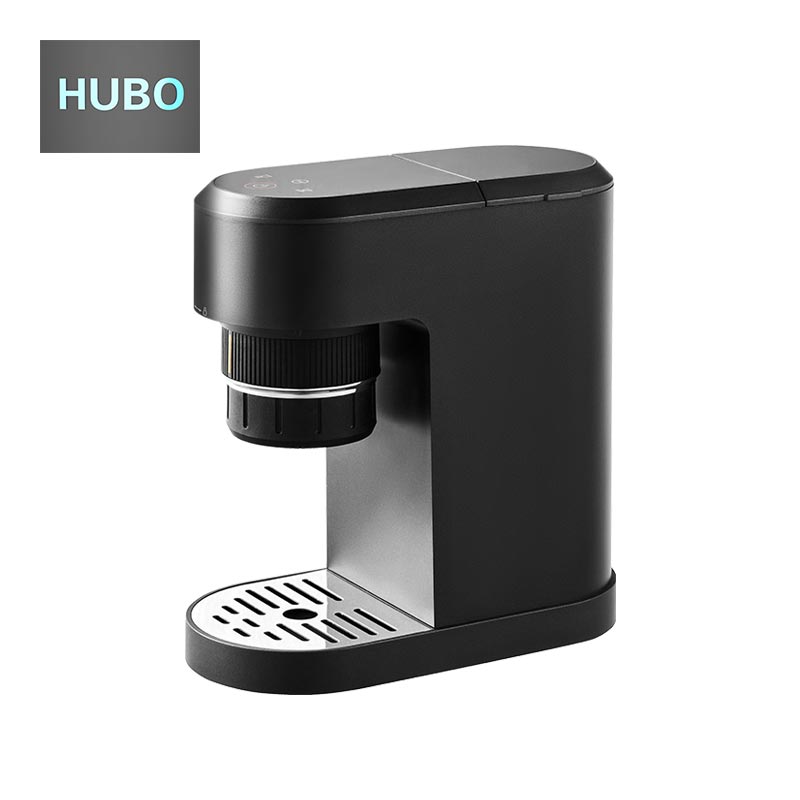
Table of Contents
- How Is an Espresso Coffee Machine Designed for Professional Brewing?
- How Do Core Parameters Influence Espresso Extraction?
- How Can an Espresso Coffee Machine Be Applied Across Different Use Scenarios?
- How Should Buyers Evaluate Espresso Coffee Machines for Long-Term Use?
Content Outline
- Structural overview and engineering logic of espresso machines
- Pressure, temperature, and flow-rate coordination
- Application scenarios and operational environments
- Selection, maintenance, and lifecycle considerations
How Is an Espresso Coffee Machine Designed for Professional Brewing?
An Espresso Coffee Machine is engineered to replicate highly stable brewing conditions across repeated cycles. Unlike manual brewing tools, espresso machines integrate hydraulic systems, thermal control modules, and mechanical interfaces to ensure that each extraction adheres to defined parameters. The design objective is not merely beverage preparation but process repeatability under continuous operation.
At its core, the machine operates by forcing hot water through finely ground coffee at high pressure. This process requires synchronized control of multiple subsystems, including the pump, boiler, group head, and electronic regulation components. Each subsystem contributes to extraction consistency, crema formation, and flavor balance.
Professional-grade espresso machines typically employ rotary or vibration pumps, insulated boilers, and thermally stable group heads. These components are selected to withstand extended usage cycles while maintaining precise control tolerances. Structural materials such as stainless steel, brass, and food-grade polymers are used to enhance durability and thermal retention.
Key Technical Parameters of an Espresso Coffee Machine
| Parameter | Typical Specification Range | Functional Role |
|---|---|---|
| Operating Pressure | 8–10 bar | Ensures emulsification of oils and proper extraction |
| Boiler Temperature | 90–96°C | Controls solubility of coffee compounds |
| Heating System | Single / Dual Boiler / Heat Exchanger | Manages brewing and steaming workflows |
| Pump Type | Rotary or Vibration | Stabilizes water flow and pressure |
| Voltage | 110–240V | Determines compatibility with regional power standards |
These parameters form the technical foundation of an espresso machine. Variations in configuration reflect different operational priorities, such as output volume, workflow efficiency, or installation constraints.
How Do Core Parameters Influence Espresso Extraction?
Espresso extraction is governed by the interaction of pressure, temperature, grind size, and contact time. An Espresso Coffee Machine standardizes three of these variables, allowing operators to focus on coffee preparation variables without compromising extraction stability.
Pressure consistency is critical. Machines equipped with pressure regulation valves and calibrated pumps ensure that water flows evenly through the coffee puck. Inconsistent pressure can result in channeling, under-extraction, or over-extraction.
Temperature stability is equally important. Advanced machines utilize PID controllers to maintain narrow temperature tolerances within the boiler. This prevents fluctuations that could alter flavor profiles across successive shots.
Common Questions About Espresso Coffee Machines
Q: How much pressure is required for proper espresso extraction?
A: Standard espresso extraction typically requires approximately 9 bar of pressure at the group head. This level allows water to emulsify coffee oils and dissolve soluble compounds efficiently, producing balanced flavor and crema.
Q: Why is temperature stability more important than peak temperature?
A: Temperature stability ensures that each extraction occurs under identical thermal conditions. Even minor fluctuations can change extraction chemistry, leading to inconsistent taste and aroma between shots.
Q: Can one espresso machine support both brewing and milk steaming simultaneously?
A: Machines with dual boilers or heat exchanger systems are designed to manage brewing and steaming at the same time. This configuration supports high-throughput environments by separating temperature requirements for water and steam.
By standardizing these variables, espresso machines reduce operational variability and improve reproducibility across different users and shifts.
How Can an Espresso Coffee Machine Be Applied Across Different Use Scenarios?
Espresso Coffee Machines are deployed across a range of environments, from specialty cafés and restaurants to offices and hospitality venues. Each application places different demands on capacity, durability, and workflow integration.
In commercial café settings, machines are expected to operate continuously during peak hours. High-capacity boilers, multi-group heads, and reinforced pumps are commonly selected to support sustained output.
In office or semi-commercial environments, compact machines with simplified interfaces are often preferred. These units prioritize ease of operation while maintaining core extraction parameters.
Hospitality and catering applications frequently require machines that can adapt to varying water quality and electrical standards. Modular designs and adjustable settings improve deployment flexibility.
Across all scenarios, the espresso machine functions as a production asset rather than a standalone appliance. Its integration with grinders, water filtration systems, and workflow layouts determines overall operational efficiency.
How Should Buyers Evaluate Espresso Coffee Machines for Long-Term Use?
Evaluating an Espresso Coffee Machine involves assessing both technical specifications and lifecycle considerations. Buyers should examine component quality, serviceability, and manufacturer support in addition to headline performance metrics.
Material selection influences thermal stability and maintenance requirements. Machines built with corrosion-resistant metals and standardized fittings tend to offer longer service life and easier repair.
Energy efficiency is another factor. Insulated boilers, programmable standby modes, and efficient heating elements reduce operational costs over time.
Maintenance accessibility should not be overlooked. Machines designed with accessible internal layouts and modular components simplify routine servicing and minimize downtime.
From a procurement perspective, espresso machines represent long-term investments. Selection decisions should align with projected usage intensity, skill levels of operators, and available technical support.
Conclusion
An Espresso Coffee Machine is a convergence of mechanical engineering, thermal control, and workflow design. Its ability to deliver consistent extraction depends on precise coordination of pressure, temperature, and flow. Understanding these mechanisms enables more informed selection, operation, and long-term utilization.
As global coffee consumption continues to evolve, espresso machines are adapting through improved control systems, energy management, and modular design approaches. These developments reinforce their role as essential infrastructure within professional beverage preparation environments.
Within this landscape, HUBO focuses on delivering espresso machine solutions that align with professional operational requirements while emphasizing reliability, parameter stability, and practical usability. Each system is developed with attention to long-term performance and real-world application demands.
For further technical details, configuration guidance, or product consultation, please contact us to discuss specific application needs and operational objectives.